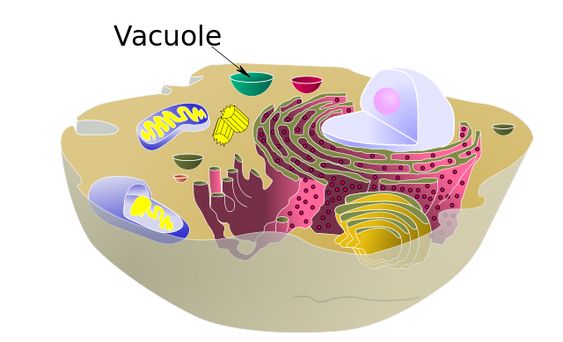
Animal cells usually have many, small vacuoles rather than one large vacuole. An important point to note here is that not all animal cells have vacuoles, unlike all plant cells. Animal cell vacuole functions by mostly providing assistance in the processes of endocytosis and exocytosis.
The materials that enter the cell often land up in the vacuoles of the animal cells after endocytosis. Also, vacuoles are the storehouses for various protein and lipid molecules that are on the cell’s command released from vacuoles and then transported out of the cell to the extracellular environment via exocytosis.
Since animal cells have dedicated organelles called ‘lysosomes’ for the breakdown of substances, vacuoles aren’t needed for this purpose in animal cells, unlike plant cells.
Some animal cells house symbiotic bacteria in their vacuoles but this happens only in cells of some specific organs.
Leave a Reply