
This final section of the first part focuses on how to gather marketing intelligence through user’s online data and the key application areas to benefit from those insights.
Consumer behavior data typically resides across multiple repositories and platforms and marketers need appropriate tools and technologies to gather, integrate, and analyze that data. This field, typically termed as web analytics across the marketing fraternity, includes concepts drawn from large software implementation areas like data warehousing (relates to data storage methodologies and structures), business intelligence (methodologies to generate business insight from data), and advanced analytics (much more in vogue these days and relates to advanced statistical analysis conducted to develop complex co-relations between multiple sets of data often in real-time). Although web analytics is the core terminology that is used to mention any exercise towards gathering market intelligence online, these days usage of terms like big-data is also quite prevalent as it pertains to combining large sets of data to gather insights not only from online data sources but through a logical combination of online and offline data.
Let us go through the key stages to understand how marketing intelligence is derived from these multiple sets of data (see Fig. 3.5).
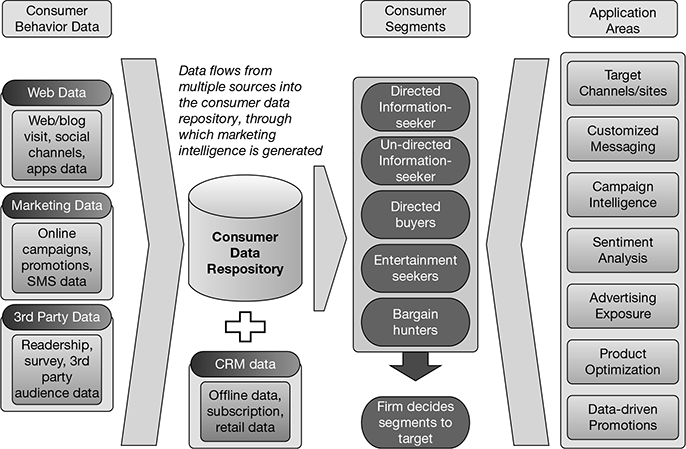
Figure 3.5 Marketing Intelligence through User Data
- Stage 1—Online data collation: To explain this stage, we would use key concepts of owned, earned, and paid media (introduced by Forrester Research Group and used widely these days to classify interactive media) and the type of user data they generate:
- Owned media data: Owned media refers to all the channels that a brand controls. This includes data gathered from user/visitor activity to company’s prime online properties be it their website, blog, social media page, or mobile applications.
- Earned media data: Earned media refers to coverage obtained and customers converted through non-owned media channels which are mostly social in nature. Data here would be about customers who post online comments, share viral videos, re-tweet companies, Twitter posts, etc.Paid media data: includes consumer data derived from actions users perform on multiple paid channels which the brand uses for their marketing activities. This includes data on visitors clicking a display ad or a search ad put up next to Google search. It would also include third party audience data collated from other companies generally known as data-management platforms (an emerging concept in online marketing, which we would cover in detail in later chapters).
- Stage 2—Consumer data repository creation: This stage involves collating all the data obtained from the first stage and integrating it into a consumer data repository. Once that is accomplished and duplicate data is refined/cleansed (for accuracy and quality), this dataset is compared and merged with offline datasets which consists of traditional databases, customer relationship management (CRM) lists, product/service subscription, retail, events and promotions, etc. With a combination of all these data sets, the firm is in a position to identify each customer individually and build customer segments and personas related to their area of products and operations.
- Stage 3—Consumer segments development: Following stage two, in this stage, consumer segments are formed along the lines as already discussed in the section titled ‘Attributes of Online Buying Behavior.’ This segmentation helps understand the nature of customers who are interacting with the brand in its various online forms and their attitudes towards these interactions. Once these segments are built, it is much easier for firms to decide which products to target to a particular nature of customers, at what price bands, and across which channels.
- Stage 4—Application areas identification: Finally, with the customer target segment decided, marketers can use all the consumer data and intelligence from their previous interactions to apply it to improve their digital marketing initiatives and optimize campaigns in the most effective manner. Key application examples of this marketing intelligence include:
- Target channels/sites: Marketing intelligence on key customer segments helps brand marketers decipher the most effective target channels/sites through which they can push their marketing message, for it to be really received and acted upon.
- Customized messaging: With knowledge of likes/dislikes, attitudes, influences and motivations of key consumer groups, marketers can customize their messages both across paid channels and earned media for higher interaction.
- Campaign intelligence: To run an effective marketing campaign, it is essential that marketers understand the routines and patterns of consumer’s purchase cycle and align/target campaigns with matched resources and investments.
- Sentiment analysis: Through advanced analytics tools, it is possible to understand consumer sentiment across any property and channel to decipher the impact of marketing messages received and products browsed.
- Advertising exposure: Helps marketers decide the nature and extent of marketing exposure needed for varied consumer segments.
- Product optimization: Involves optimizing products based on consumer’s previous buying patterns and comments/feedback across varied online channels.
- Data-driven promotions: Marketers can use technology in a real-time manner to target promotions based on location and intent to help improve conversions.
Leave a Reply