
In this section, we would understand the actions marketers take to develop brands on the web which consumers can relate to, lend their trust, and be swayed by them over an extended term. A brand according to classic marketing definition is the “name, term, design, symbol, slogan, packaging, or any other mix of such elements that identifies one seller’s product distinct from those of other sellers”. Brands are typically known to provide value through these elements which are far beyond just the product or service. Below are the six main criteria for choosing brand elements which any firm can use to build a brand:
- Memorable: It should be easily recognized and have a top-of-the-mind recall.
- Meaningful: It should be descriptive, credible, and suggestive of the corresponding category. Elements with rich visuals and strong verbal imagery make stronger impact.
- Likeable: It must be aesthetically appealing or pleasing. For certain categories, it is important that brand exudes fun and is interesting to the consumer segment.
- Transferable: It should be transferable across product categories, geographical boundaries, and cultures. A great example here is Coca-Cola and McDonalds.
- Adaptable: It should have an ability to synchronize with changing consumer perceptions and preferences, be flexible, and should have an ability to be updated easily.
- Protectable: It should be legally and competitively protectable.
With an understanding of brand and key criteria impacting brand elements, let us understand the concept of customer-based brand equity and how it is crucial in building brand presence on the web. Brand equity is a phrase used in the marketing industry which describes “the value of having a well-known brand name and its ensuing benefits”. The valuation of brand equity can include a number of factors like changing market share, profit margins, consumer recognition of logos and other visual elements, brand language associations made by consumers, consumers’ perceptions of quality, and other relevant brand values.
To relate brand development to consumer behavior and build the right kind of experiences in the customer’s mind such as positive thoughts, feelings, beliefs, opinions, perceptions, etc., Kevin Lane Keller, a marketing professor at the Tuck School of Business at Dartmouth College, developed the Customer-Based Brand Equity (CBBE) Model. This model is built on the premise that when you have strong brand equity, your customers will buy more from you; they will recommend you to other people; they will be more loyal, and you are less likely to lose them to competitors.
The four steps in the Keller’s CBBE model (see Fig. 3.7) contain the six building blocks that must be in place along with specific questions which need to be answered at each stage to develop a successful brand. Let us look at each of the six building blocks across the pyramid:
- Salience dimension includes creating brand salience or ‘awareness,’ to make the brand stand out so that customers recognize it.
- Performance dimension defines how well a firm’s product meets its customer’s needs. According to the model, performance consists of five categories—primary characteristics and features; product reliability, durability, and serviceability; service effectiveness, efficiency, and empathy; style and design; and price.
- Imagery dimension refers to how well a brand meets its customer’s needs on a social and psychological level.
- Judgment dimension refers to judgments made by customers about a brand and these fall into four key categories:
- Quality: Customers judge a product or brand based on its actual and perceived quality.
- Credibility: Customers judge credibility using three dimensions—expertise (which includes innovation), trustworthiness, and likeability.
- Consideration: Customers judge how relevant the product is to their unique needs.
- Superiority: Customers assess how superior the brand is, in comparison to competitor’s brands.
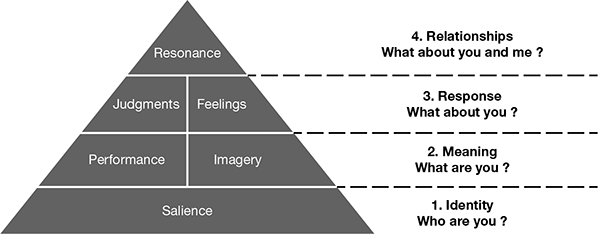 Figure 3.7 Keller’s CBBE Brand Equity Model.
 - Feeling dimension: A brand can evoke feelings directly, but customers also respond emotionally to how a brand makes them feel about themselves. According to the model, there are six positive brand feelings—warmth, fun, excitement, security, social approval, and self-respect.
- Resonance dimension: Brand resonance is the most difficult and desirable element for a marketer as it relates to consumers’ feeling of a deep psychological bond with the brand. Brand resonance is divided into four key categories:
- Behavioral loyalty: This includes regular, repeat purchases.
- Attitudinal attachment: Refers to the love customers show towards a brand, and the product they buy, which is considered as a special purchase.
- Sense of community: Customers feel a sense of community with people associated to the brand.
- Active engagement: This is the strongest example of brand loyalty. Customers are actively engaged with the brand, even when they are not purchasing or consuming it. This could include joining a club related to the brand; participating in online chats, marketing rallies, or events; following the brand on social media; or taking part in other, outside activities.
With this understanding of how a successful brand can be developed for each product, let us look at a structured mechanism to build web-specific components of a brand. A lot of the techniques mentioned here have been drawn from strategy and tactics marketers are using extensively these days to build their brand online. These steps include:
- Knowing the online audience: The first and most important step is the ability to differentiate online specific audience from the traditional segment, understand their needs and how they approach buying a product of the same brand online. Take the case of the sports shoe brand Nike. Though it might seem that the audience who buy a pair of Nike shoes online would be the same as the one buying it from a nearby physical store, there would be genuine differences in the way each of them approach these channels.Nike being a premium brand, it is highly likely that a typical online Nike consumer would be a loyalist of the brand or possess a good knowledge of the attributes of the product, or have researched well about the brand; hence, there are good chances for him/her to have even shared thoughts on previous shoe models bought on social platforms. So, it becomes imperative for brands promoting online to:
- Develop a listening strategy: This means being present on prominent listening posts to know where customers spend their time online.
- Understanding audience segments: Involves utilizing analytics to track and understand consumer segments as a part of consumer/market research.
- Analyze social sentiment: Even before developing brand attributes on the web, it would be helpful to understand present consumer sentiment by gathering customer feedback though text-analysis tools.
- Developing brand elements specific to the audience: In the next stage, once marketers have a clearer idea of online customers and their habits, brands need to extend their profile to add elements which differentiate them online. These parameters include:
- Engaging web presence: Any brand, even if it is an influential one offline, needs to replicate and transfer its core brand values to develop online presences and destinations in the form of websites, blogs, affiliate sites, social pages, etc., which catch the fancy of online customers and engage them best. Important elements include site layout, usability features, product imagery, expert content, compelling design, etc.
- Online reputation/partnerships: As important it is to develop a brand’s own channels, it is crucial to make relationships with other top brands, trusted sites, and e-commerce channels to build the brand. These techniques are referred to as relationship marketing.
- Order fulfillment strategies: As in the second layer of CBBE model described earlier, along with imagery, performance is crucial; so the brand needs to build and test its complete back-end support model to ensure that it can fully support the online promises made and reputation earned.
- Web communication strategies to build the brand: Once the brand elements have been developed, brand messaging and marketing strategies become crucial to get online customers to try the product and get hooked to purchasing it online. Depending on business objectives and how strongly the brand is already positioned in the minds of the intended online customers, marketers can go out for a big-bang communication strategy launch or develop a selective-multiple burst strategy on influential channels which the audience visits regularly.
- Reinforcing brand values and attributes: Once consumers have started interacting and purchasing the brand online, it is crucial to develop strategies to keep customers engaged and make the brand relevant and interesting. Brand values can be reinforced through regular connect with customers on social channels, through contests, promotions, loyalty based discounts, exclusive club memberships, etc., which keep the customer involved with the brand.
- Converting loyalists to brand advocates: Finally, as in the last stage of the CBBE model, it is important that engaged consumers be converted to brand advocates, wherein their aspirations are aligned to the brand and they are influenced to promote the brand through product reviews, brand mentions among their communities, writing positions for brand’s blogs, and in certain cases, being invited to discussions on new product development to make them feel a part of product creation. Such brand inclusions done in an exclusive manner would help the brand achieve cult status and display unique elements which would be difficult to copy.
Web-Tracking Audits and Forecasting
In the earlier section, we learnt the steps to build a brand on the web and how multiple elements go on to influence the target consumer. We also learnt how engaging web presence is crucial for brands to make a lasting impact and maintain the trust factor. In this section, we would look at the importance of regularly tracking a firm’s web presence in relation to consumer activities to know whether the performance is going as per target. Based on the consumer behavior analyzed through such web audits, future demand patterns are forecasted accordingly.
A web-tracking audit implies using web visitor tracking tools to analyze visit behavior on a website. Any web-tracking process typically involves a code that tracks each user’s visit pattern and with the resulting data on consumer behavior helps provide targeted content and experiences that make the website and the brand experience more personal and interactive.
Leave a Reply