
The intention for developing the DPA Matrix in the last section is for firms to identify their digital presence, strengths, and weaknesses towards developing high-level Digital Marketing Objectives. Typically, these objectives, set on a yearly basis, during the yearly marketing plan creation are followed, reviewed, and revised even at a weekly level to ensure that firms are on track.
In this section, we shall move on to the last element of the Assessment Phase which is the Digital Marketing Objectives Development.
In Fig. 4.10, we can see that after covering the elements of external and internal analysis, we have gained sufficient data to help firms analyze their present digital state. In this section, we shall look at elaborating the last element of the assessment stage which involves developing digital marketing objectives and a framework to review these high-end objectives on a regular basis.
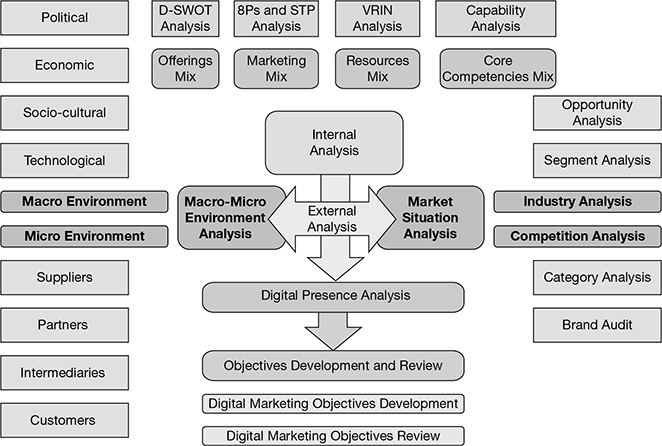
Figure 4.10 Assessment Elements Elaboration
SMART Objectives Creation
Objectives creation as an exercise has to be clear, rigorous, and at the same time,achievable in the time-frame it has been set to achieve. The most widely used framework across management circles for objectives creation is commonly attributed to Peter Drucker in his “management by objectives” concept which is also termed as the SMART criteria. The first known use of the term occurs in the November 1981 issue of Management Review by George T. Doran which elaborates this acronym as follows:
- Specific: Targets a specific area for improvement
- Measurable: Quantifies or at least suggest an indicator for progress
- Assignable: Specifies who will do it
- Realistic: States what results can realistically be achieved, given the available resources
- Time-related: Specifies when the results can be achieved
With an introduction to the SMART criteria as above, let us now understand the key types of digital marketing objectives, which firms set for themselves as depicted in Fig. 4.11. It has to be kept in mind that the high-level objectives shared and discussed below do not cover the objective setting and review for the other ASCOR stages and only involves the initial objective-setting exercise.
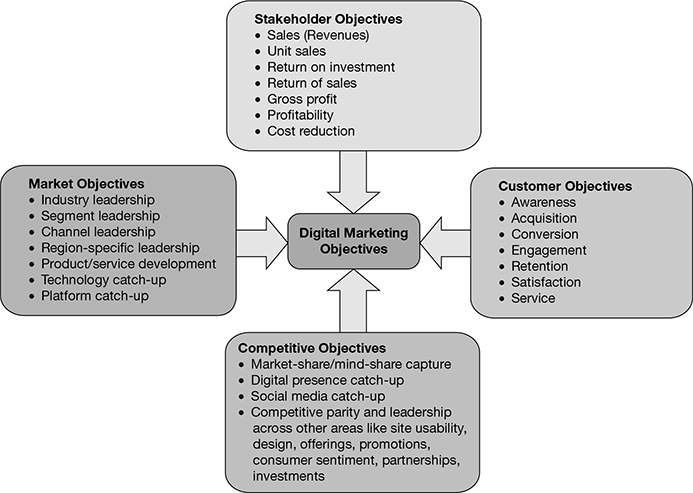
Figure 4.11 Types of Digital Marketing Objectives
Fig. 4.11 has the same four entities as shared earlier and lists the key objectives which the firm can set against each of them.
- Stakeholder-based objectives: These typically are objectives related to financial performance of a firm’s marketing operations. The most prominent of them include:
- Sales (revenues): Overall digital revenue objectives for the firm and key brands
- Unit sales: Relates to objectives of selling certain units across key channels
- Return on investment: Measures performance against key investment areas
- Return on sales: Measures firm’s operational efficiency calculated as = Net Income (Before Interest and Tax) divided by Sales
- Gross profit: Defined as company’s residual profit calculated as = Revenue after selling a product or service minus its cost of goods sold
- Net profit: Calculated as Sales Revenue Minus Total Costs
- Cost reduction: Objectives for reducing cost by being present on digital channels
- Market-based objectives:These objectives are to be developed in relation to the specific market, category, or region where the brand operates. Important ones include:
- Industry/segment leadership: Leadership across a specific industry or segment
- Channel leadership: Leadership across a specific channel of sales
- Regional leadership: Leadership across a specific region of operation
- Product/service development: Develop a product or service on digital channels
- Technology catch-up: Match company’s technology to important external technology shifts/trends
- New platform catch-up: Develop firm’s operations across new/emerging platforms in the market
- Customer-based objectives: These objectives relate to developing target customer segments and marketing profitably to them. Key sample objectives include:
- Awareness: Objectives related to improving awareness on digital channels
- Acquisition: Develop targets for new online customer acquisition related to a particular segment, demographic, or consumption type
- Conversion: Related to increase of conversion rate or increase in sales order rate, average value of sales order or sales order increase for a particular segment
- Engagement: Intangible element relating to increase in engagement levels
- Retention: Objectives for new online customer retention, increase in repeat purchase, percentage of customers utilizing loyalty points or coupons for further purchases
- Satisfaction: Improvement of consumer satisfaction rates including turnaround time, first-time complaint resolution, average handling time for customer call
- Service: Improvement in overall service, fulfillment, customization factors
- Credibility: Develop objectives for building credibility, improving trust, etc.
- Competition-based objectives: Involves objectives set to counter or pre-empt direct competition to remain one-up in comparison. Key objectives in this area include:
- Market-share/Mind-share capture: Objectives related to increasing market share against competition or improving mind share of a brand across a segment
- Digital presence catch-up: Involves set of combined objectives to catch up to the digital presence of a competitor who is the market leader in the same segment
- Social media catch-up: Objectives to develop similar social mentions, fans, engagement, posting rates, positive sentiment as top competitors
- Competitive parity and leadership across other areas like site usability, design, offerings, promotions, partnerships: Includes objectives for catching up with key competitors and gaining leadership position in other competitive areas
With a listing of typical objectives across four key entities, we would now see how firms across the four digital states (as discussed in the last section) can set up objectives based on their digital presence and market share to rise to a level better than where they are at present.
- Digital laggard: Some of the digital objectives which firms in this state typically set are:
- Stakeholder objectives:
- Increase overall digital revenue by 30 per cent in the next three years
- Double per piece sales of their product across mid-tier segment X
- Market objectives:
- Develop entry strategies for getting to third position in the largest digital market segment for firm’s product (choosing the top offline product)
- Customer objectives:
- Improving awareness of brand across top three digital channels for the product by at least 50 per cent more than present
- Increase brand engagement rates by 30 per cent for key products across channels and e-commerce platforms where the brand is already present
- Competitive objectives:
- Increase overall market share by 5 per cent across all combined digital channels where competition is present
- Stakeholder objectives:
- Digital ladder: Typical digital objectives for this state include:
- Stakeholder objectives:
- Transfer 20 per cent of present offline sales to digital channels with minimum 25 per cent profitability
- Set up a global online sales channel for an established brand offline with sales target of ₹ 10 lakh in the first six months
- Market objectives:
- Already a segment leader in offline sales, the objective is to develop presence across two online channels to gather a market leader position in the next one year along-with improving margins by 10 percentage points
- Customer objectives:
- Support transition of 30 per cent of present offline loyal customers to present digital channels in the next two years
- Improving re-purchase levels of new customers across all digital channels by 20 per cent within three months of the first buy
- Competitive objectives:
- Develop online partnerships with at least five major online only e-commerce players to improve digital sales by 20 per cent
- Stakeholder objectives:
- Digital leverage:Key business objectives for firms in this digital state include:
- Stakeholder objectives:
- Improve return on investment by 10 per cent in the next one year
- Increase gross profit margin for top two channels by at least 20 per cent
- Market objectives:
- Replicate success elements across a particular channel (where the brand is already leveraged) to a new upcoming channel to reach leadership
- Customer objectives:
- Improve site conversions on an average by 2.5 per cent across top three firm-owned digital channels
- Develop an emerging digital channel to obtain 20 per cent of all revenues from it in the next two years
- Competitive objectives:
- Develop social media presence across key social channels to create a fan base of 1 million in the next two years and engagement rates of more than 20 per cent through posts and positive sentiment comments each month
- Stakeholder objectives:
- Digital leader: With the firm already in a leading digital position, here are the typical objectives developed in this state:
- Stakeholder objectives:
- Reduce operational costs by 10 per cent by utilizing marketing automation
- Increase net profit across 30–44 years age segment, the most growing segment, by 20 per cent
- Market objectives:
- Increase revenue by at least 10 per cent across key digital channels by investing in new technology and automation platforms
- Customer objectives:
- Improve CSAT (Customer Satisfaction Rates) across all top digital channels by 5 per cent in the next six months
- Increase credibility of conversations by improving FCR (First time call resolutions) by 10 per cent in the next three months
- Competitive objectives:
- Improvization of site design and user-experience-related factors to increase web visits by new prospects by 20 per cent and average site engagement time by 20 minutes per customer in the next six months
- Stakeholder objectives:
The digital launch stage in which a new brand launch could relate to any of the four states depending on firm’s management, prior digital expertise, entry segment, investment figures, etc., the digital objectives would be similar to the state in which they are launched. If very low digital impetus is present and the firm has low brand recognition and market share in their target segment, then the objectives will be similar to the digital laggard state. If the same low market share brand is launched with a strong digital investment, its key objectives would be set similar to the digital leverage state.
Important thing to note here is that at this stage we are not defining the strategy which each firm should adopt depending on their digital state but only the high-level digital marketing objectives which they should develop. Other secondary or tactical objectives for each sub-stage would be developed once the strategy has been finalized for the firm respective to the situation at hand. This would be discussed in detail in the next chapter on strategy development.
For now, let us only be concerned about the creation of these digital objectives, as shared in the last section, and how firms can review these objectives once they are set. The review for each of the tactical objectives across the conversion funnel specific to target customer segments and digital channels would also be taken up in upcoming chapters.
Leave a Reply