
Moving to the third P which is known as Place, we will see how channels of purchase are critical to a firm and how companies can make sure that their products and services are present at the right places where their e-Consumers would be looking for them.
A key distinction has to be made here to understand the difference between Place and the next P which is Promotion. By channels of purchase, we mean only those channels through which final ordering and fulfillment happens while channels which are utilized for promotion (like search engines, e-mail, display ads, social media, etc.) and are more of a conduit to the final purchase (will be covered in the Promotions section).
With this understanding, we will first look at the basic classification of channel ownership across direct and indirect sales channels and also across sales effort orientation which could be push-based (more transactional) or pull-based (more informative/engaging). We should note that the matrix developed here as an example pertains more to marketing of products than services.
Typically, channels of purchase are divided into two types:
- Direct sales channels—where a producer and ultimate consumer directly deal with each other. These channels are typically owned and controlled by firms themselves.
- Indirect sales channels—when there are indirect intermediaries between the producer and consumer. Third party companies typically have more control of these channels.
In Fig. 5.8, we have created a matrix between channel ownership and sales orientation. By sales orientation, we imply the effort of sales and marketing activities and its direction. As discussed in Chapter 1 in the section titled ‘Emergence of Digital as a Marketing Tool,’ push and pull marketing differ in the way products and services are sold to the e-consumer. While push marketing has a more sales mindset in which firms set an inventory target to be sold in a particular period, pull marketing has a more information-oriented focus in which the customers are made to engage with the channel through customized and curated content (which can be hosted either on direct or indirect sales channels). Some of the key examples of each of these matrix quadrants include:
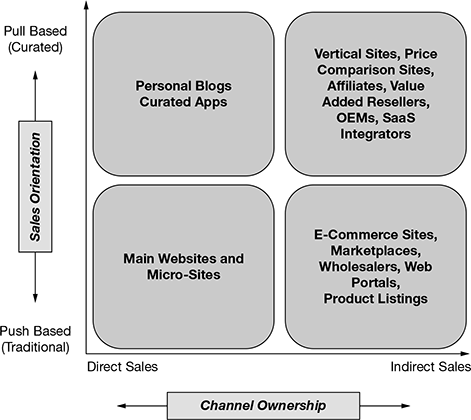
Figure 5.8 Channel Ownership—Sales Orientation Matrix
- Direct push channels: Involve branded websites and microsites which are developed and controlled by the firm, through which firms make a direct sale to customers.
- Direct pull channels: Include content-based channels like blogs and, the more recent phenomenon of mobile apps specific to a particular business process, developed in a well guided and curated manner to make it simple and engaging for customers to buy.
- Indirect push channels: This quadrant typically contributes the most to online sales and includes highly popular e-commerce sites, marketplaces, wholesalers who have set up online presences, web portals which offer widgets to firms to sell their products, product listing sites which help market the firm and list its products, etc., among others.
- Indirect pull channels: These are channels which have high engagement rates with custom audiences and provide value beyond the push-based channels. These include vertical sites (like car sales only sites), price comparison sites, affiliates (who sell products on behalf of a firm for a commission), value-added resellers (who provide services wrapped around a firm’s product to deliver a more complete solution to customers), Other Equipment Manufacturers (OEMs) who resell a firm’s product under their own name and branding (for example, Salesforce announced its AppExchange OEM Edition in 2006), SaaS Integrators (system integrators who provide end-to-end solutions by integrating a firm’s product with others and make their revenues through services rather than product resale, for example, Bluewolf).
With an understanding of the channels of purchase, we now move on to the last of the four main Ps, which is Promotion. Promotion is what determines the extent and quality of traffic to come to direct and indirect sales channels.
Leave a Reply