
To understand basic terminologies of a digital media plan, we have to first study the key concepts which have been used for developing traditional media plans. The two key considerations for a media planner while selecting a particular media for any type of promotion include:
- Effectiveness of media channel: Media planner has to ascertain which media channels would be best for higher reach and response.
- ROI of communication/promotion on that media: The other key factor is the anticipated return on investment (RoI) from the media promotions. RoI depends on cost, frequency, and revenue potential of executed promotions.
To understand the concepts of media planning better, we will apply the key terminologies of reach, response, cost, and frequency to the three most common media channels—newspaper, broadcast media, and online (web), and see how these concepts map. We should note here that we have not considered revenue in the comparison table as revenue attribution for newspaper and broadcast-based promotions is not directly attributable as is possible online.
Figure 6.2 takes us through the application of key media planning concepts as applied to the specific media. We would not go into detail to explain how each of these concepts are applied but rather share key concepts which are common to any media plan as explained below.
- Reach: refers to the total number of potential audience exposed to media during the plan time period at least once. Reach does not take into account the total audience who actually see the promotion but it only gives an indication of the universe of people who can be reached with the media among the client’s target audience segment. For example, for a media plan targeting two million men in the 25–39 age bracket, a reach of 50 means that 50 per cent (1 million) of the target audience will be potentially exposed to some of the media vehicles in the media plan.
- Response: includes the actual audience who actually read, viewed, or made a web visit and performed an action which is related and is important for marketer’s promotion.
- Relevance/impact: involves looking at the relevance or context of a particular promotion in relation to the media vehicles chosen.
- Timing and scheduling: relates to decisions taken by a firm for its specific set of products to determine the period for promotions run and the way they would be scheduled for maximum impact. A typical example is advertising wherein a media planner can choose from one of the following allocation strategies:
- Continuous: involves even exposures throughout a given period.
- Concentration: refers to taking a specific period and spending the entire budget.
- Fighting: refers to alternate periods of high and no advertising.
- Pulsing: involves low advertising all the year round and heavy advertising for peak periods
- Cost: includes the basis on which costs are calculated to communicate different types of promotions. Digital media is typically bought as cost per million impressions (CPMs).
- Frequency: It involves the number of times a particular promotion is exposed to a person during the media plan. Frequency can be multiple exposures across the same medium or single exposures across multiple media for the same individual.
- Media plan RoI: It refers to the overall RoI which a marketer would achieve based on the total amount spent on a particular media plan across all the media channels and promotions combined. This takes into account the revenue generated through final conversions, following the funnel stages from impressions to clicks to leads to purchases.
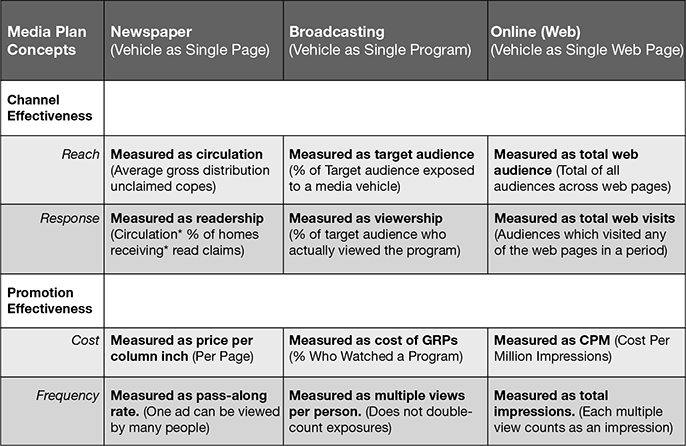
Figure 6.2 Understanding Media Plan Concepts
With an understanding of key media planning terminologies, let us study the digital-specific terminologies to gain a better appreciation of how concepts like reach, frequency, cost, and RoI are calculated for digital and how marketers can make use of these concepts to further understand basic digital media planning stages.
Key Digital Planning Concepts
In line with the terminologies shared in the last column of Fig. 6.2, let us understand the key concepts of digital planning and their calculations. The following terminologies relate more to advertising-specific promotions and channels. These concepts form the base of developing digital campaigns and we would look at the application of these concepts in greater details in Chapter 8 on Digital Marketing Execution, when we discuss how campaigns are created and implemented.
- Web visits: A visit refers to a visitor’s session on all the firm’s product sites within a particular period of time. During the session, the user might view multiple pages but the overall session is counted as a single one.
- Page visits: Involves the number of people visiting a particular page of the firm’s website. This could be the homepage or a landing page specifically created to channel pre-defined consumer actions across the funnel.
- Unique visitors: Refers to the number of unique individuals that visit a website within a specific timeframe. The two methods to track unique visitors include tracking cookies or unique IP addresses.
- Impressions: The most important concept for digital buying, impressions relate particularly to display ads placed on multiple webpages and are the sum total of responses from a web server to a page request from the user browser. Impressions are calculated as Reach * Frequency (number of people reached (X) number of times they saw an ad across media vehicles) and are measured in an automated fashion by designated servers. It should be noted that even in the same web session, if a user lands on a particular page twice, it would be counted as two impressions instead of one.
- Page views: The total number of unique pages viewed by a person in a particular session would be the page views for that session.
- Clicks: The opportunity for a user to download another file by clicking an advertisement, as recorded by the server. After impressions count, this is the next stage in the conversion funnel for advertising.
- Click-through: The action of following a link within an advertisement or editorial to another website or another page or frame within the website.
- CPM (cost-per-thousand): Refers the cost of serving 1000 impressions. Almost all of the digital media buys are executed using this metric.
- CPC (cost per click): Cost of advertising based on the number of clicks received.
- CPA (cost per action): Cost of advertising based on a visitor taking a specifically designed action in response to an ad. Actions could include sales transaction, customer acquisition, or a click.
With the understanding of these key digital media terminologies, in the next section, let us study in detail how a digital media plan is developed and key stages constituting it.
Leave a Reply