
The first step towards creating a digital media plan is to determine what the brand wants to communicate and which channel mix is the best to promote given the budget allocation for the product portfolio and the timelines it has set to achieve its desired objects. The best place for marketers to obtain information for their planning would come from the digital marketing roadmap (see Chapter 5, section titled, ‘Developing the Digital Marketing Strategy Roadmap’), which provides marketers with necessary research on the offering mix and its lifecycle stage, specified target audience, and their presence in the funnel along with the company’s strategic intent.
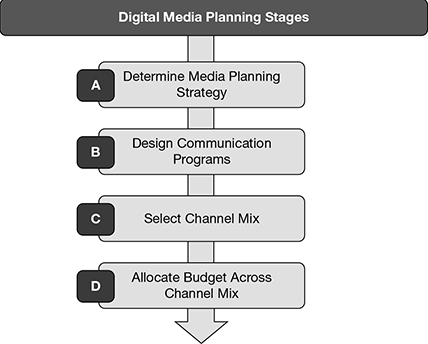
Figure 6.4 Digital Media Planning Stages
The digital media planning objectives for a firm could be multiple depending on the overall product portfolio and the needs of each separate product. There are typically four core elements, a mix of which can be used by media planners on digital platform (apart from the offline elements) to develop a strategy specific to each product. These include—channels, affiliates, content creators, and customers.
In Fig. 6.5, we have mentioned four core elements which digital marketers can mix to create specific media plans based on the requirements of each product and the promotional budget available.
- Channels: includes general digital marketing communication channels like search engines, display sites, social media communities, e-mail, and other media platforms like mobile, video marketing, etc., to which a promotional budget is paid.
- Affiliates: involves developing a partner network in the same business, industry, similar product theme start-ups to obtain leads and conversion prospects at an agreed price. It includes vertical sites, price comparison portals, reward/loyalty sites, coupon sites, and other referral sites.
- Content creators: Firms can utilize content as one of the core elements and pay content producers to generate compelling content for SEO blogs, websites for converting targeted leads. Firms, in present times, are driving their content strategy in a lean manner through crowdsourcing and curating relevant user-generated content.
- Customers: Apart from allocating budget to the top three elements, the fourth mix involves using direct customers and their influencers as a channel, wherein consumers are either paid for their loyalty in the form of points or given discounts for trails and even freebies or coupons for writing reviews or giving product feedback, thus making them further advocates or influencers for the brand.
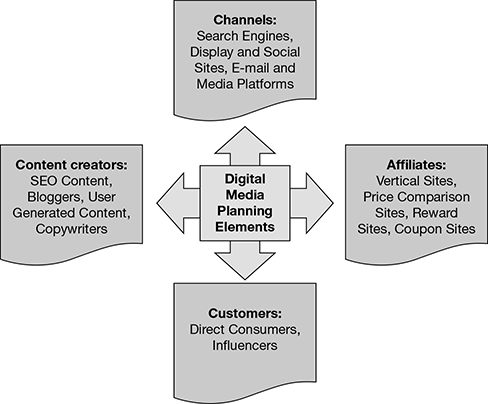
Figure 6.5 Core Elements of Digital Media Planning
Design Communications Program
With an understanding of how digital media planning-mix strategy is created, the next stage is to decide the types of communications message to be designed for specific objectives of each product. The two basic tasks of marketing communications are message creation and message dissemination. We would cover this in detail in ‘Designing the Communication Mix,’ the next part of this chapter.
Select Channel Mix
The third stage of digital media planning involves selecting the digital channel mix most suited for a firm’s product, depending upon which stage it is present in one of the 6S Digital Implementation stages, as discussed in Chapter 5 earlier. To develop the channel mix, let us revisit the 6S Framework and group the six stages into three groups, depending on their present state and implementation objectives.
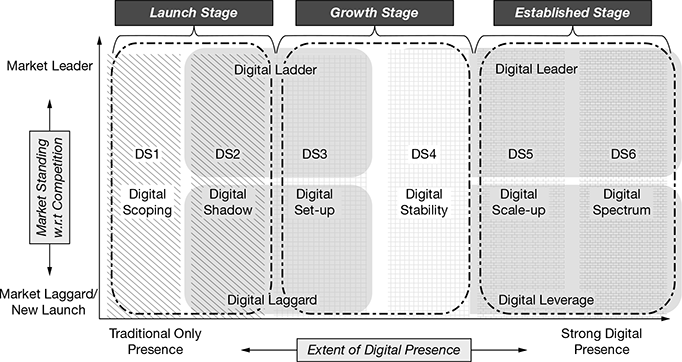
Figure 6.6 6S Digital Marketing Implementation Groups
In Fig. 6.6, the six stages of digital marketing implementation have been grouped into three buckets to chart their channel mix strategies (as the firm grows from digital scoping to digital spectrum stage) for the specific product at hand. This is explained below.
- Launch stage: Involves the firm (product) in its launch stage where it chooses specific media mix to generate awareness and initial enquiries.
- Growth stage: The firm (product) is already established and needs channels which would help convert prospects to confirmed leads to convert further into sales.
- Established stage: In this stage, the product is already stable and known and looks to guard its position and scale-up to become a leader across all possible channels.
For each of the above three group stages, depending on the specific product objectives, different channels are deployed and integrated. The first and most credible step for a firm is to decide on the channel mix (where it should start spending its budget), develop its owned channels like websites and blogs, and study the analytics of visitors and their actions on these owned channels to get a fair idea of their customer’s credible intent through actions on these channels. Apart from this, while selecting a specific channel mix, other types of considerations could also include:
- Mass media vs selective audience communication needs
- Expert vs social impact communication needs
- Implicit vs highly engaging (responsive) communication needs
- New product launch vs existing product communication needs
- Attention-seeking vs credibility-enhancing communication needs
Once the firm has grouped its product portfolio across the three group stages, it can look at multiple channels across the promotional mix to decide on its final channel mix for execution. The two key considerations which would help firms decide their channel mix include:
- Promotion outcome type (organic/inorganic): involves assessing the need for the type of desired outcome of the promotion which could be more short-term/action-oriented– organic or long-term/influence-oriented–inorganic.
- Promotion investment type (low or lean/high cost): includes the type of investment the firm (product) is willing to put into the stage in which they are operating.
To help firms (products) in each of the three group stages (launch, growth, and established) decide their channel mix, we have developed an easy-to-refer matrix—the ‘Digital Marketing Channel Mix Matrix’. In the matrix, the two key considerations discussed earlier ‘Promotion outcome type (organic/inorganic)’ and ‘Promotion investment type (low or lean/high cost)’ are placed across X and Y axis respectively, and the varied promotional types and their respective channels are plotted, based upon the implementation stage most appropriate to them and the relative costs of spending on those channels.
We have to note here that the classification of each of the channels across the three implementation stages is only indicative and firms (depending upon their resource access/knowledge of the different channels, their internal expertise, and the costs of implementing them in their market) can choose any channel in any implementation stage they deem fit. These would also change depending upon specific marketing needs of the firm (product) which could emerge as a part of the overall marketing plan implementation.
Leave a Reply