
To understand the commercial ecosystem of display advertising, we need to primarily understand the options through which marketers have to place different types of display ads on to their target websites. There are multiple tools and technologies which have been developed across the ecosystem to support both the buy side (advertisers) and the sell side (publishers) with their goals and profit objectives. We share a diagram below (see Fig. 6.13) which has been developed by IAB (Internet Advertising Bureau, an authority on digital advertising that develops industry standards for online advertising) and which showcases, in a simple manner, the key entities and their interactions. In Fig. 6.13, apart from advertisers and publishers, five key entities are shown, which we would discuss along with a few other ones which have emerged lately and are making a big impact on how display advertising is being bought and sold. Let us study them below.
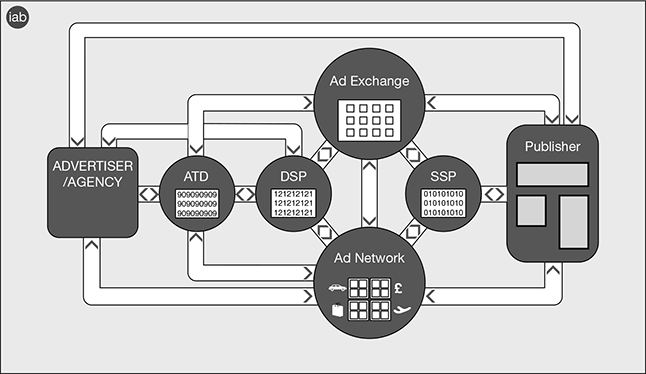
Figure 6.13 Display Ad Serving Mechanism
Adapted from: Dr. Augustine Fou, ‘Slide 4, Display advertising budget allocation’, https://www.slideshare.net, accessed on 27 February, 2017 at 8.54 pm.
- Ad network: With inventory being the key currency which is bought and sold between publishers and advertisers, publishers needed support on selling the excess inventory which they were not able to sell directly with their sales force. Ad networks plug-in that need and aggregate left-over inventory of websites in their network to sell them in bulk to advertisers (generally at lower prices), which helps publishers realize money on the inventory that they otherwise could not have sold, while advertisers get access to the inventory on a mass scale on the specific type of websites and audiences they would most look forward to advertise. Examples of major ad networks include Google, Microsoft, Brightroll, TribalFusion, etc.
- Ad exchange: Tools that facilitate the buying and selling of aggregated ad inventory from multiple ad networks, for example, Google Ad Exchange, OpenX, RightMedia, Advertising.com, etc.
- DSP (demand side platforms): Tools that advertisers can control to access impressions from multiple sources, for example, DataXu, Invitemedia, Appnexus, etc.
- SSP (supply side platforms): Tools that publishers can control to access impressions from multiple sources, for example, Pubmatic, Rubicon, Admeld, etc.
- ATD (agency trading desks): ATDs are centralized management platforms used by ad agencies that specialize in programmatic media and audience buying. Examples include Accuen (ATD for Omnicom), Xaxis (WPP), Audience on Demand (Vivaki).
Apart from these, there are other entities too which are gaining major prominence in the display ecosystem like DMP (Data Management Platforms), retargeting tools, measurement firms, etc. The advantages of such a large, well developed, and competitive ecosystem is that it gives a chance to both the buy and sell community to wrest benefits from the launch of each new technology innovation in the market; also, firms typically keep fast-forwarding to newer products to remain competitive and not lose the edge.
Leave a Reply