Q1
Do carboxylic acids react with aldehydes?
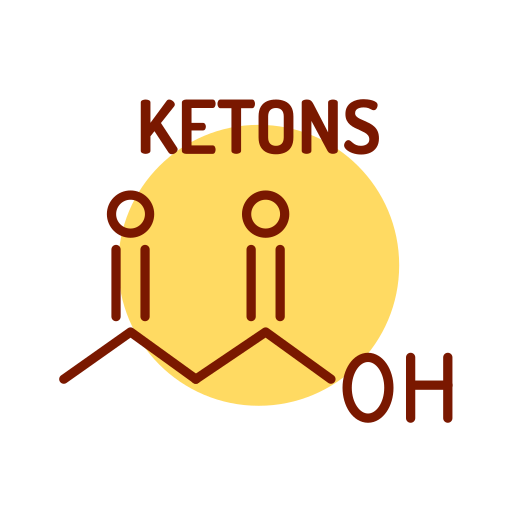
The carbonyl groups in aldehydes and ketones can be oxidized to form the next “oxidation level” compound-carboxylic acid. Adding water to an aldehyde or ketone produces a product called a hydrate or gemdiol (two OH groups on one carbon). The reaction is catalyzed by acids and bases.
Q2
Are ketones and aldehydes carboxylic acid derivatives?
The difference between carboxylic acid derivatives and aldehydes and ketones is that there is a group containing a negatively charged heteroatom (usually oxygen, nitrogen or sulfur), which is directly connected to the carbonyl carbon atom. You can think of carboxylic acid derivatives as bilateral.
Q3
Which is more acidic aldehyde or ketone?
Compared with the alkyl groups of ketones, aldehydes are more acidic (lower pKa) than ketones due to the lower electron donating effect of protons.
Q4
What does Schiff’s test for?
The Schiff test is a chemical test used to check the presence of aldehydes in a specific analyte by reacting the analyte with a small amount of Schiff reagent.
Q5
How do you purify aldehydes?
The solid aldehyde can be dissolved in ether and purified as described above. Alternatively, they can be steam distilled, then sublimated and crystallized from toluene or petroleum ether.
Leave a Reply