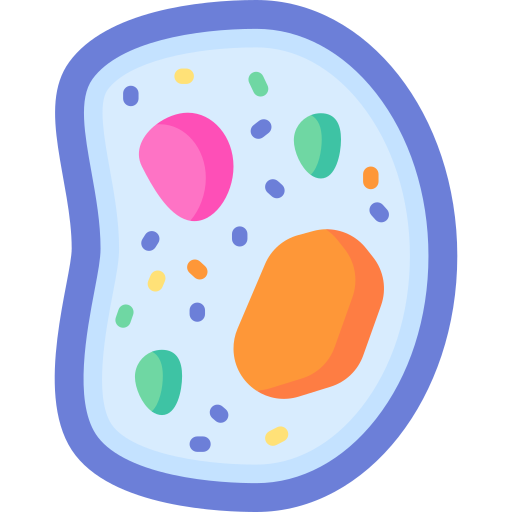
The cytoplasm (of both eukaryotes and prokaryotes) is where the functions for cell expansion, growth, and metabolism are carried out. Numerous chemical reactions including cellular metabolism take part in the cytoplasm as it acts as a bridge between the cell membrane and most organelles. The cytoplasm also has many other functions including:
Support and Structure
To aid with cell structure and turbidity. It helps the cells maintain their shape which is important for the arrangement of cells.
To keep organelles in place. As mentioned previously, the cytoplasm keeps the membrane-bound organelles in place within the cell and prevents them from making unnecessary movements.
The cytosol – part of the cytoplasm – fills up the empty spaces in the cell that are not covered by the organelles (also part of the cytoplasm).
Protection
To protect the cell and its components from damage. The cytoplasm in helping keep cell shape but also being able to keep organelles in place places a major part in the cell’s defense strategies.
Often the cytoplasm acts as a shock-absorber when the cell is attacked and cushions that blow to the cell.
Storage
It contains materials such as storage units and enzymes that are essential for many metabolic activities.
In plant cells, they include important storage units that are used to store excess glucose made during photosynthesis.
Transport
Through the process of cytoplasmic streaming, the cytoplasm assists with the transport of organelles and cytoplasmic inclusions all over the cell.
The cytoplasm also transports waste material out of the cell. If there was no cytoplasm in the cell, the cell would not be able to function. It would be flat and have no shape. In addition, the organelles would not be able to be suspended in the cell either.
Leave a Reply