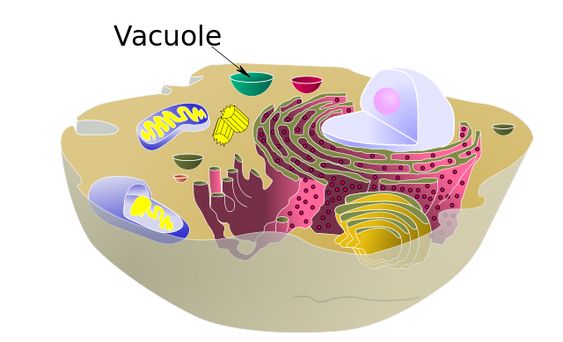
In biology, the definition of ‘vacuole‘ is a single membrane-bound organelle with no definite shape or size. It is one of the largest organelles in the cell, specifically in plant cells. It is present in different types of cells like animal cells, plant cells, fungal cells, protist cells, and bacterial cells. The structure of a vacuole is basically dependent on the individual cell requirements.
Vacuoles are associated with a range of roles in the cellular system. Some of the noted roles are intracellular secretion, excretion, storage, and digestion. The main constituent of the vacuolar system is water as vacuoles are mainly completely filled with water. They form quite a lot of the cell’s volume.
There are many organic and inorganic molecules that along with water become a part of the vacuolar solution. Because of the various roles that vacuoles serve, they are home to not just solutions but also waste products, extra water, small molecules, extra supplies, proteins, etc.
Leave a Reply