As seen in the Digital Transformation Model (Fig. 1.3), the extent of technologies and collaborations across digital marketing are much more pronounced than all the other e-concepts put together which outlines the essential difference and its rising prominence.
The definition of digital marketing according to IDM (Institute of Direct and Digital Marketing) includes ‘the management and execution of marketing using electronic media such as the web, email, interactive TV, wireless media in conjunction with digital data about customers characteristics and behavior.’
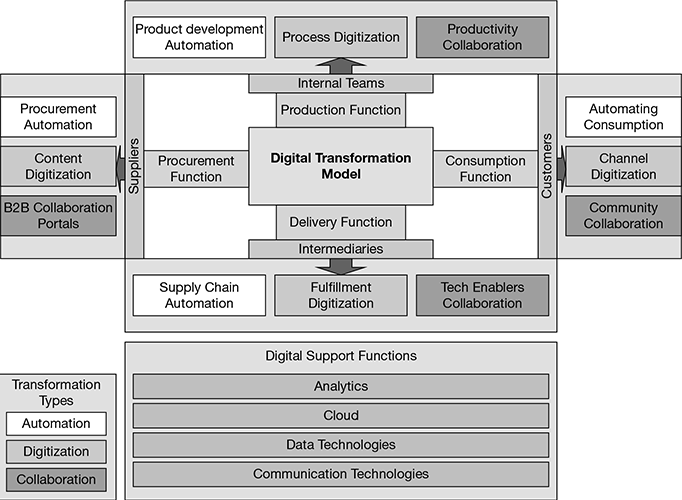
Figure 1.3 Stakeholder-Based Digital Transformation Model
The unique differentiators from the definition are explained below.
- Digital marketing involves reaching out to potential customers through a set of interactive, intuitive, and advanced electronic devices and platforms which go beyond the normal web and e-mail to include mobiles, PDAs, interactive TV, applications, social media, which were earlier not common to marketing online through ‘e’ models. This explosion of platforms and devices has been possible due to rapid growth in mobile technologies and successive innovations which have made instruments like smartphones available in the hands of large audiences with readily accessible information.
- Application of marketing to consumer interaction touchpoints that integrate digital data about customers and their behaviors in a manner which was not extracted and targeted earlier. This has resulted in a whole new ecosystem of advanced technologies to target each valued customer customized with messages and promotions specific to their needs and intent.
- Introduction of interactive communication channels like search, display advertising, social media, etc., which have a strong combination of pull–push marketing rather than the earlier models which were primarily of push marketing nature. (In the next section, we shall detail the differences between the two types of models—pull/push and how this affects the way in which digital marketing creates a difference.)
- Incorporation of a variety of technological advances in communication, social integration, machine learning algorithms along-with their application to multiple devices and platforms, all of which have made it possible for digital to carve itself as an established area of marketing.
The key reasons as to why digital scores over other traditional forms of marketing include:
- Audience targeting: Helps to know which audience to target and why, with specific pre-designed messages suited to their specific problems and needs.
- Cost leverage: Digital mediums can be the most cost effective for messaging across a larger audience, which was the key reason in the first place for marketers to adopt them.
- Actionable reporting: The kind of quantitative customer segment data and qualitative feedback obtained here is far more authentic and actionable.
- Location-based messaging: No other type of marketing can develop and target personalized, location-based messages for customers as per their specific interests.
- Quicker funnel fulfillment: The covering of marketing funnel from awareness to action can be fulfilled much quicker after the customer has shown the first intent.
- Multi-channel reach: Digital marketing integrates data, communication, and messaging across multiple platforms, making it the best form of integrated marketing.
- Instant customer interaction: With customer interaction and service tightly integrated, it is the first time that marketers can interact in real-time to understand and support the problems faced by first-time or their most engaged users.
In the next section, we shall discuss the reasons behind the rise of digital as a prominent marketing tool, its types, and key applications and benefits.
Leave a Reply