
Having attained an understanding of how business strategy evolved and which key factors impact strategy development on digital platforms, in this section we shall look into emerging digital business structures (in line with the impacts of the factors shared in the last section).
For any business to succeed, the major pre-requisite (as is said in business terms) is to achieve RoI (Return on Investment) in line with the company’s expectations. Defining RoI and strategic intent for any company operating in a particular industry sector would typically involve thinking through key questions which the management needs to decide in the best interest of the shareholders. Some of these include:
- Where does the organization intend to be in the long and short term? What kind of growth is it looking to chase?
- What business is the organization in and does it want to stay there? Is the organization averse to risk or open to venturing into uncharted markets and segments?
- What is the set-up of the company in terms of ownership (public, private, investor-driven), management, company’s philosophy (vision, mission), core building blocks?
- Does the company have the necessary investments, resources, and capabilities to meet its desired objectives and the pace of growth it envisions?
- What kind of an image would the company want to develop for itself—aggressive, stable, customer-centric, innovative, values-driven? (Incidentally, it has been seen that it is difficult to change an image which is once set in the mind of the consumer. So a company which is seen as a very stable company with standard set of products offline, would find it quite difficult to change that perception and suddenly position itself digitally)
- What kind OVP, (as discussed in the earlier chapters), would the company target?
- What core competencies does it retain and how adaptable should the company be to develop newer competencies when it sees its market share being taken away?
A lot of these and many other questions need to be posed by a firm which is planning to compete on digital platforms, so that not only does it understand what is achievable but also makes its customers follow them with the launch of their new digital initiatives and forays. We will try to address some of these important points in this chapter. But first, let us look at the kind of new digital business structures which are evolving and challenging top firms and what strategies the different-natured players are targeting while approaching the same customer and revenue pie. To understand this we have developed a market structure based Return on Investment (RoI) model which we shall discuss here.
As discussed earlier, a company’s RoI is the key criteria for it to determine its performance. In Fig. 5.2, we have used the key elements of an RoI calculation which relates to:
- The investments a firm is willing to put into its operations (as X axis and classified as Minimal, Requisite, and Strategic), depicting the risk profile of any firm for digital operations.
- The type of returns and subsequent growth expected (as Y axis and classified as Nominal, Decent, and Industry-Leading), depicting targeted growth and expectations.
By plotting different types of firms and their digital objectives across the two axes of investment and growth, we see multiple types of digital business structures operating in the digital market and at times even usurping a firm’s offline operations. Let us understand them in a bit more detail (we have removed the top-left and bottom-right boxes as they correspond to unrealistic investments and growth equations).
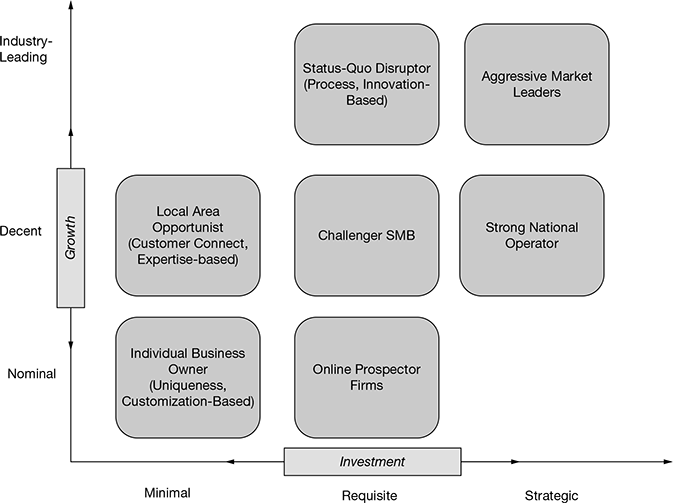
Figure 5.2 RoI-based Digital Market Structure Development
- Aggressive market leader: These are typical big-weight players with strong and stable portfolio of brands and huge investments at hand. Their prime goals of being on digital platforms include:
- Developing and nurturing key brands on digital platforms
- Maintaining loyal customers to support their online buys
- Getting newer online customers from top competitors
- Developing real-time communication and customer intimacy points
- Strong national player: These are market challenger brands which deal in strategic investments since they are not the leaders in their segment. Their target is to maintain decent growth and with their digital forays aspire to be market leaders in future, with the following objectives:
- Enhancing their brands through digital imagery and touchpoints
- Developing more online channels to increase sales through digital customers
- Flanking their brands from Challenger SMBs giving tough competition
- Developing digital competencies to leverage in future, for example, partnerships
- Challenger SMB: They are a third set of firms (behind market leaders and strong national players) which typically have a limit on the type of investments they can make and have to be really strategic in their spends. Hence, the online medium is important for them if they aspire for decent growth. Key objectives include:
- Offline visibility being a key issue, these firms look to leverage digital platforms which are relatively less costly to manage and can yield high returns
- Building brand elements and promoting them to a larger audience
- Utilizing digital medium as a means to leverage offline sales across traditional stores
- Online prospector firm: These firms are typically considered as followers to all other brands (in comparison to the ones discussed above) in their segment. Though sufficiently cash-rich, they have invested in the digital medium only on the fringes since they have not realized the strategic advantages of being online. In many cases, it is their proprietors who either are not knowledgeable of the benefits of going digital or have not deployed a vendor with enough expertise to be able to leverage the digital medium in a strategic manner.
- Status quo disruptor: These set of firms do not have huge investments behind them but are being developed by a smart generation of new entrepreneurs who have strong backing behind them and innovative ideas to disrupt and challenge the status quo of market leaders and strong national players. They aim for industry-leading growth in the digital part of their segment and are slowly becoming market leaders in their own right in terms of valuations and market capitalization.Few examples of such firms in India include Flipkart (Online Retailer), Makemytrip (Online Bookings), and Big Basket (Online Grocery delivery). The ways they use digital medium include:
- They are one-of the first-movers in their category with unique digital core competencies in terms of market, process and customer value understanding
- Strong on technology deployment and data-driven business modelling
- Have target segments who are digital natives and hold their loyalty
- Develop online partnerships and reduce intermediary costs efficiently
- Local area opportunist: These are firms at a regional level which have minimal resources to spend online but loyal regional audiences whom they want to serve online and, in the process set themselves up for better growth across other regions of the country. Key characteristics of these firms include:
- Strong recall and customer connect with regional/local audience who are loyalists to the brand and would support them on their digital journeys
- Strong regional expertise which can be taken to other markets and even internationally, if they are able to create a distinct online image
- Utilize only a few key owned channels and emphasize largely on earned media since that can be executed with much less investment
- Individual business owner: This is the last type of business entity and most ubiquitous online. Presently, there are millions of individual business owners who leverage internet as a model to set up their own web pages, blogs, e-commerce sites, consulting services, professional services, social media groups, subscription-based products, etc., even with the minimal resources and budgets they have at hand. Most of them typically anticipate nominal growth, though some of them also make it to the big league with their unique concepts. Key characteristics of this entity includes:
- Unique concepts developed online through personal abilities and skills
- Have only one or two owned media but are part of all related online communities through which they can sell and build communities
- Possess strong knowledge of their consumer segment and provide a clear offerings set, which gives them the biggest leverage over other firms
Depending upon a firm’s appetite for growth and investment resources available at hand, it needs to look at where it is presently positioned in the above matrix and identify its competitors in the digital platform. Brands which are already industry leaders and challengers offline, need to develop strategies to counter the Status quo Disruptors, Challenger SMBs, Local Area Opportunists, and other purely digital aggregators and unique concept providers to maintain their fort and be relevant.
In the next section, we would be sharing strategies on how firms need to identify credible trends which are making an impact in the marketplace and customer’s minds to make sure they counter such disruptors through Core Competency Alignment (CCA) to manage and provide a better OVP at every stage of their product development.
Leave a Reply