
With an understanding of communication mix, steps for strategy and message development, we would now look at how different digital channels lend the possibility to share content in multiple types/formats for differing effects as desired for an overall integrated communication mix. During our discussion on Integrated Marketing Communications (IMC), we have already laid out the key traditional and digital channels (refer Chapter 3 section titled, ‘Channels for Integrated Marketing Communications’) which can be used by a firm towards developing their marketing communications strategy. In this section, we would classify digital specific channels in terms of their message orientation and the type of communication they can execute which can help marketers decide on the mediums to choose for their communication depending upon their objectives.
In Fig. 6.10, we have developed the matrix with message orientation on the X axis and communication type on the Y axis. Message orientation takes into consideration the key objective of the promotion (awareness/engagement-oriented or purchase/conversion-oriented). Communication type axis involves division of the typical kind of communication that takes place on that channel which could be static or dynamic (real time) in nature of execution.
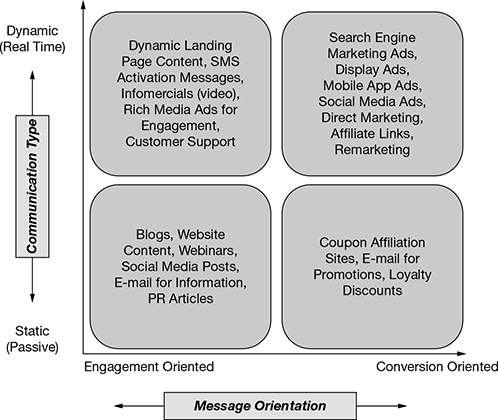
Figure 6.10 Digital Channels Communication Mix Matrix
Let us study each of the matrix quadrants in more detail.
- Engagement-oriented static: This quadrant stands for channel types which typically deliver communication/messages that are static in nature (created well ahead of time and delivered in a passive format) and are more geared towards engaging target audiences rather than selling to them. Key examples include blogs, website content, webinars, social media posts, e-mail for information, and PR articles. Most of these are content types which primarily aim at creating impactful messages that drive home brand objectives and help engage the audience.
- Engagement-oriented dynamic: In this second quadrant those channels are included whose main objective is engagement again but they present content in a more dynamic (real-time) manner to audiences and can also message content in real time to share versions which connect better with a certain audience based on experience. Typical examples include dynamic landing page content, SMS activation messages, infomercials (video), rich media ads for engagement, and customer support. The content development for these channels is crucial as it needs to be developed in a manner which seems non-obtrusive and is also engaging for the consumer.
- Conversion-oriented static: The third quadrant shifts to the conversion side, wherein the key role of the channel is to carry messages which result directly in a purchase, but where the messaging format is still static in nature. Key examples include coupon affiliation sites, e-mail for promotions, and loyalty discounts. The execution of communication on these channels typically should be of a guided nature in which the consumer knows of the channel of promotions or the promotions are shared on channels where he/she is most active, otherwise there could be issues of consumer not even knowing such promotions exist, hence not using them.
- Conversion-oriented dynamic: The fourth and final quadrant includes most commonly used promotional techniques along the most widely visited channels. Most of the communications in this quadrant relate to real-time advertisements which are presented to a customer at a time he/she is most vulnerable to act on them (click for conversions). Typical examples include: search engine marketing ads, display ads, mobile app ads, social media ads, direct marketing, affiliate links, remarketing, etc. The RoI for communication channels in this quadrant is based on the number of calls-to-action which are accomplished for each stage of the marketing conversion process. It needs to be established here that though the channels in this quadrant is being seen prominently as conversion vehicles, a broader objective of some of those could include engagement and brand building too, for example, display advertising.
Marketers also need to set up evaluation parameters to review the output of their communication mix across channels in all the quadrants to gauge accomplishment at each incremental stage. This would call for a strong integration with the channel partners and their dashboard/daily reports for firms to get the best view of the RoI for their investments.
Leave a Reply