
In this chapter, the overall objective was to show how a digital marketing strategy can be developed and the stages which would go into building the roadmap. In this section, we would take a closer look at the four stages of this roadmap.
Figure 5.10 enlists the four key stages of developing a digital marketing strategy roadmap. These four stages constitute the key steps required to develop the second phase of the ASCOR framework, which is the strategy phase:
- Business strategy for digital: Involves developing the overall strategy and direction for any firm planning to move to the digital platform
- Customer development strategy: Includes strategy elements to identify and define target customer segments and position product marketing and experience accordingly
- Digital marketing mix strategy: Includes the 8 marketing Ps to develop the marketing mix
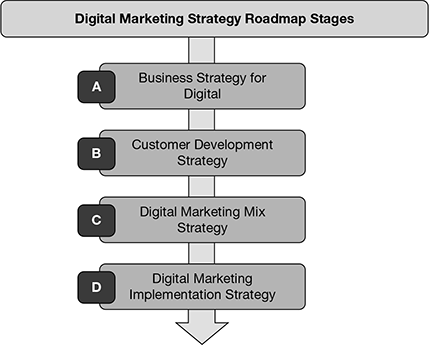 Figure 5.10 Digital Marketing Strategy Roadmap Stages
 - Digital marketing implementation strategy: Includes the 6S of digital marketing implementation strategy for each product depending on its presence across product life cycle stage
With this understanding of the digital marketing strategy roadmap stages, let us look at key elements which constitute it in more detail.
Figure 5.11 showcases the key elements of all four strategy roadmap stages. The first three stages A, B, and C have already been covered in detail in the first two sections and we would cover them briefly over here. The final Stage D on digital marketing implementation strategy would be covered in the next section.
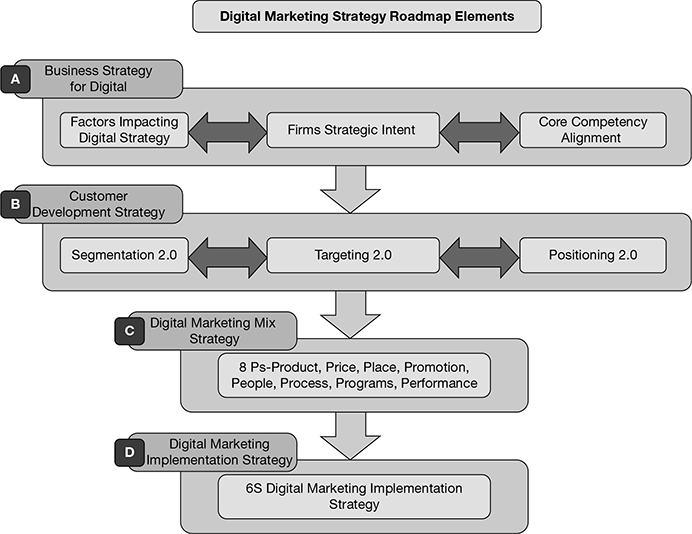
Figure 5.11 Digital Marketing Strategy Roadmap Elements
The digital marketing strategy roadmap stages include:
- Business strategy for digital: As discussed in the first section, firms need to develop the following elements as a part of their overall business strategy for the digital platform:
- Factors impacting digital strategy: Involves firms understanding the impact of digital presence drivers—stakeholder, market, customer, and competitor to define the overall business strategy intent for going digital
- Firms strategic intent: Includes analysis of the business structure of the firm, type of investments they are willing to put to their digital operations, and the kind of returns and growth they are expecting from digital channels
- Core competency alignment: Involves firms analyzing and interpreting shifts in the value function of their industry relative to their customer and aligning core competencies accordingly to develop the most appropriate OVP
- Customer development strategy: Includes activities for understanding key customer segments, creating clusters, and developing personas of the type of segments which the firm would target and develop the positioning towards customers’ need fulfillment
- Segmentation 2.0: Involves usage of sophisticated technologies to yield highly refined and actionable audience clusters for market segmentation
- Targeting 2.0: Involves development of user personas to understand the goals and behaviors of the group of users which the firm would like to target
- Positioning 2.0: Refers to the set of activities, which the firm will develop to respond to the needs of each customer segment across their marketing funnel journeys
- Digital marketing mix strategy: Involves development of the 8Ps of the Marketing Mix:
- Classic 4Ps: Include the most widely used marketing mix of product offering, pricing models, channels of purchase, and promotional mix
- Extended 4Ps: Include the extended Ps—People, Process, Programs, Performance
- Digital marketing implementation strategy: Involves development of 6S digital implementation strategy roadmap which we will cover in detail in the next section. This would also include looking at each product’s presence across the product lifecycle stage and developing strategies accordingly.
Leave a Reply