
With an understanding of the global landscape for digital marketing, we would now look at India-specific digital statistics which would reveal trends quite differentiated from the global markets.
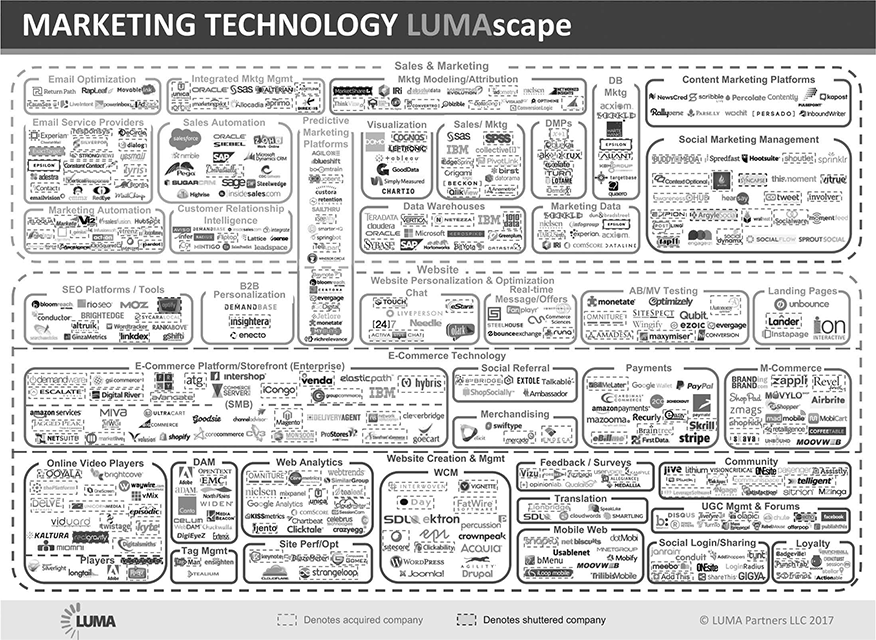
Figure 10.7 Marketing Technology Lumascape
Credits: Susan Marshall & Wayne Lam on behalf of LUMA Partners LLC, MarTech LUMAscape, used with permission of LUMA Partners LLC
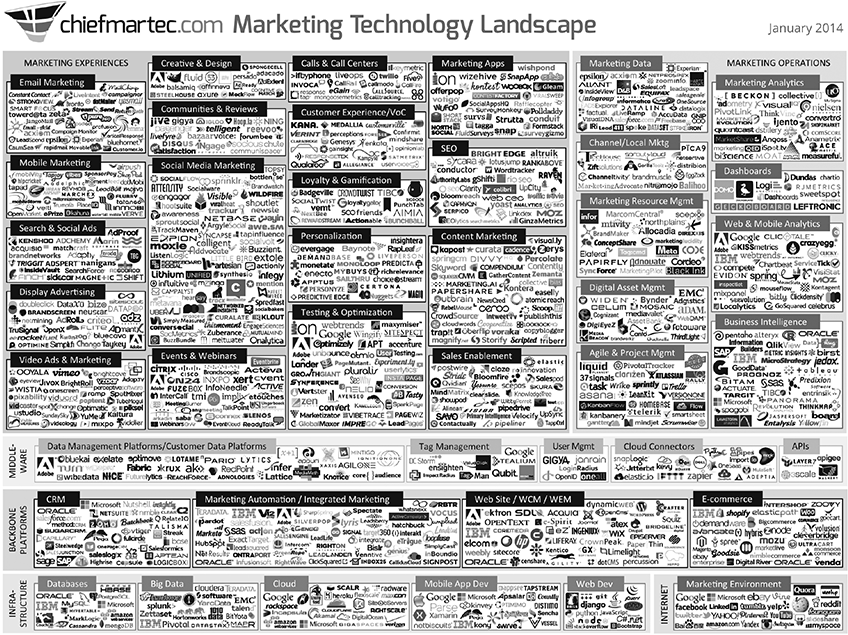
Figure 10.8 Marketing Technology Landscape (Chiefmartec.com)
Credits: Scott Brinker, chiefmartec.com, used with permission
India Digital Spend Overview
The overall internet penetration numbers and the diversity of the Indian consumer (in terms of urban/rural divide) has had a major impact on digital marketing and advertising trends and the overall adoption of digital services in India.
Figure 10.9 showcases the rise in total number of internet users in India to over 550 Mn in 2018. It also depicts the urban/rural divide, wherein we see the number of rural internet users increasing upto 40 per cent by the year.
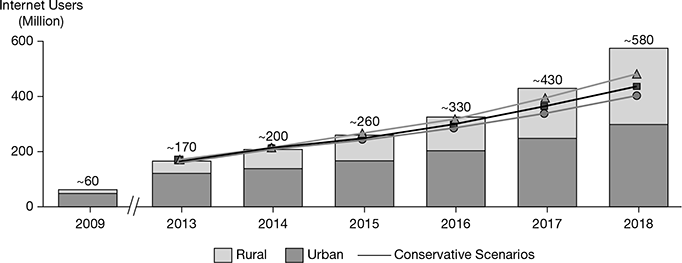
Figure 10.9 India Internet Population Divide (BCG Analysis)
In Fig. 10.10, we can look at the key areas of the contribution of internet to GDP, the most important among them being e-commerce products, online content, and advertisements and classifieds. It is estimated that internet’s contribution to GDP is set to grow at 23 per cent compared to overall GDP growth of 13 per cent.
Figure 10.11 showcases the percentage break-up of all media segments, comparing 2016 numbers and the estimated figures of 2020. It is quite evident that TV will rule the media segments and its share will increase further in the coming years. Also, digital advertising as a category will grow from 6.17 per cent in 2016(E) to an estimated 11.29 per cent in 2020(P), which depicts almost a double growth.
In Fig. 10.12, we look at similar industry-wise classification of the Indian media and entertainment sector, this time, in terms of absolute and growth numbers. Overall advertising revenues in 2014 grew at a growth rate of 14.2 per cent over 2013 to reach ₹ 414 billion. It is interesting to see that while digital advertising has the highest growth percentage of more than 44 per cent (2014 over 2013), those numbers are projected to grow at around 30 per cent (in terms of CAGR 2014–2019).
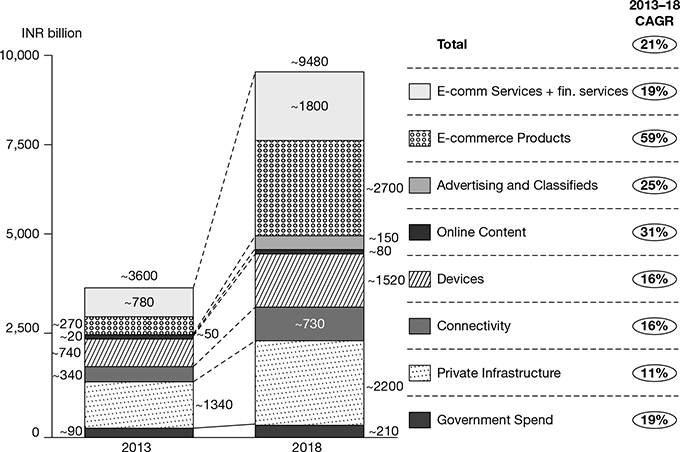
Figure 10.10 Internet Contribution to GDP in India (BCG Analysis)
Sources: GFK, gartner, FICCI/KPMG, OVUM, IMF, Emst and Young estimates of share of e-comm businesses, BCG analysis.
Note: Assumes overall 12.9% nominal, 6.3% real growth rate (IMF forecast).
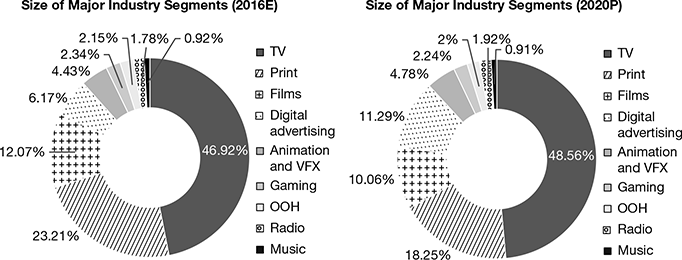
Figure 10.11 India Media and Entertainment Industry Segment Numbers (IBEF.org)
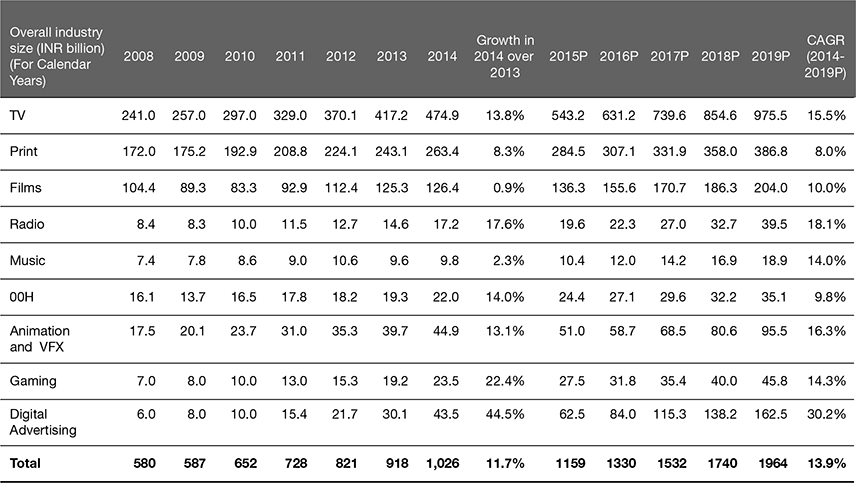
Figure 10.12 Size and Projections of the Media and Entertainment Industry of India
Leave a Reply