
In the previous section, we covered manual display inventory sales models in detail along with looking at the stages of a standard display campaign workflow. In this section, we shall cover the latest trends and shift towards data-driven display buying models which are essentially programmatic in nature. The key difference between manual and data-driven models involves a shift from inventory-led placement to a data-led buying model, wherein advertisers now have the possibility to target specific sets of consumers with customized messages rather than just putting money on inventories and hoping that the real target customer sees those ads.
Programmatic buying, thus, involves using technology to help display advertisers target multiple audiences through machine tools which talk to each other using complex in-built algorithms. With automated ads projected to account for nearly 50 per cent of the US display market in 2015, the programmatic ad spend is projected to exceed $ 20 billion in 2016, according to eMarketer. The growing importance of RTB buying within programmatic can be judged from the fact that overall ad spend through RTB increased 10X since 2010.
Figure 8.11 showcases the programmatic buying models as an extension of the Y-Axis of the diagram on Manual Display Sales Classification. To provide a better understanding, we have classified the X and Y axes and their parameters separate to the earlier-given manual classification diagram. The key classifying parameters for display sales here are:
- Reservation based: Reserved and un-reserved inventory (similar in line to the previous x-axis parameters: direct and indirect inventory)
- Price mechanism based: Fixed price and auction-based sales
For programmatic buying, publishers give Automated Guaranteed as the highest priority for sales (as it fetches the maximum price), followed by the other three. Amongst Invitation Only and Open Auction, publishers give preference to Invitation Only where they can decide the type of buyers they find to be the most lucrative to sell, as compared to Open Auction where they do not have much say.
Let us understand each of these four programmatic sales models in detail:
- Automated guaranteed: This model is most similar to a direct sale in which inventory and pricing are guaranteed with the key difference being the way in which campaign set-up and trafficking processes are automated.
- Unreserved fixed rate: Typically sold through exchange environment transactions, these types of deals help advertisers with a pre-negotiated, more predictable and fixed pricing which they typically cannot expect of transactions through exchanges.
- Invitation only auction: This is one of the two ways of an auction-led sales, wherein multiple buyers bid for specific inventory and targeting parameters, and a winner is decided within 200 microseconds with his ad being served to a profile who had just typed the URL to visit the specific web page. The uniqueness of this model is that publishers have the power to select key buyers whom they want to deal with and can black-list those with whom they don’t want to get involved. With this type of a model, a publisher can also offer buyers multiple levels of transparencies through the use of Deal-IDs and line items, where it can pass or mask any kind of data and sell accordingly.
- Open auction: This final type of programmatic sales model involves publishers allowing any type of buyers to buy their inventory (though publishers have the power to block certain advertisers or set a floor pricing for their inventory). The advertisers here, typically do not know the publisher with whom they are buying the inventory. Such open auction media interactions typically take place between tools on the advertiser’s side—Demand Side Platforms (DSP), which automatically liaison with exchanges and Supply Side Platforms (SSPs), to get the type and price of inventory which they are looking at. The biggest example of this kind of buying is known as RTB campaigns (Real-Time-Bidding) which we would understand in more detail now.
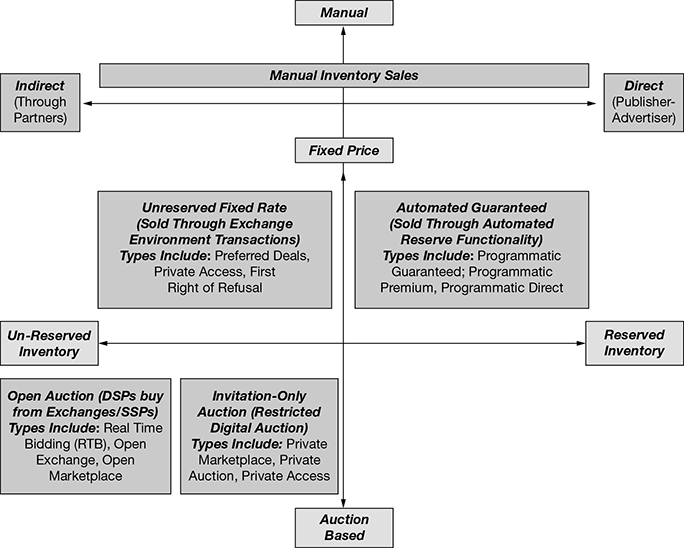
Figure 8.11 Display Inventory Sales Classification (Programmatic)
Leave a Reply