Category: Power Electronics
-
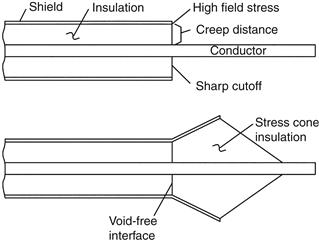
Conductors
Current-carrying conductors range from the small wires of home circuits to massive bus bar sets that may carry several hundred kiloamperes. Copper is the primary conductor, with aluminum often used for bus bars and transformer windings. Conductor cross-sectional areas are designated by American Wire Gauge (AWG) number in the smaller sizes, with a decrease of…
-

Fuses
These protective elements are integral components of power electronics design. They range from the tiny glass cartridge fuses for control circuits to long, medium-voltage types. Each has characteristics that are tailored for the particular applications. Control fuses should be rated for about 125% of the expected load current. Standard types can be used for most…
-
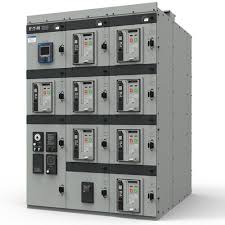
Switchgear
The equipments intended to connect and disconnect power circuits are known collectively as switchgear (please—not switchgears and not switch-gear). Switchgear units range from the small, molded-case circuit breakers in a household panelboard to the huge, air break switches on 750-kV transmission lines. They are generally divided into the four groups of disconnect or isolator switches, load break switches, circuit breakers, and contactors.…
-
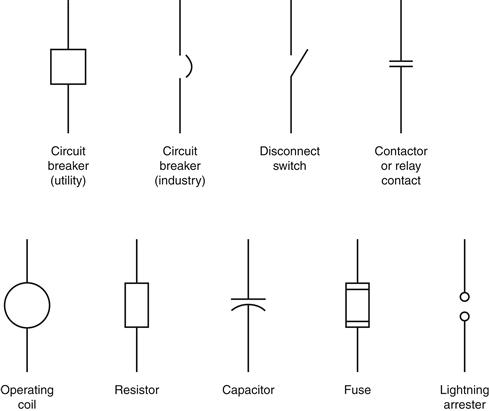
Power Electronics
Keith H. Sueker and Tim Williams Much of the design work in power electronics involves specification of ancillary apparatus in a system. It is essential to a successful design that the engineer knows the general characteristics of these components well enough to permit selection of a suitable device for the intended application. The components in…